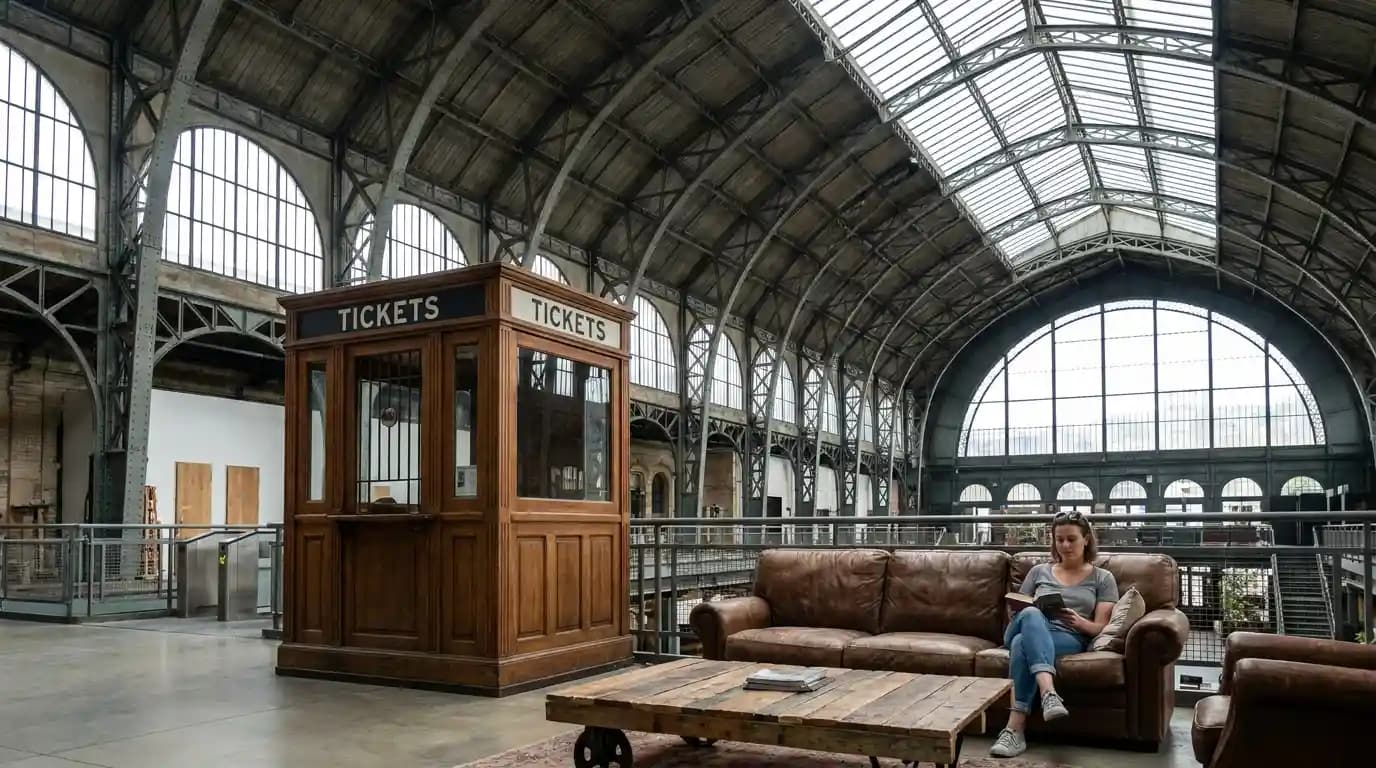
North Rhine-Westphalia Security Deposit Laws: Guide for Landlords
Security deposit rules in NRW, Germany: maximum amount, investment requirements, return deadlines, and permitted deductions for landlords.

법적 고지
이 콘텐츠는 일반 정보 및 교육 목적으로만 제공됩니다. 법률 자문에 해당하지 않으며 그러한 것으로 의존해서는 안 됩니다. 법률은 자주 변경되므로 항상 현재 규정을 확인하고 귀하의 상황에 맞는 조언을 받으려면 해당 지역의 면허가 있는 변호사와 상담하십시오. Landager는 부동산 관리 플랫폼이며 법률 회사가 아닙니다.정보 최종 확인: April 2026.
The security deposit (Mietkaution) is a fundamental element of German rental law. In North Rhine-Westphalia, the federal provisions of the German Civil Code (BGB) apply, supplemented by case law from the Federal Court of Justice (BGH). Landlords who fail to comply with these rules risk having the deposit agreement declared void or facing compensation claims.
법적 고지이 가이드는 일반 법률 정보를 제공합니다. 임대차 법률은 변경될 수 있습니다. 항상 해당 지역의 면허가 있는 공증인 또는 변호사와 상담하십시오.
Maximum Deposit Amount
Under § 551(1) BGB, the security deposit may not exceed three months' net cold rent (base rent excluding operating costs)
Tenants are entitled to pay in three equal monthly installments, with the first installment due at the start of the tenancy.
Agreements requiring a higher amount are void to that extent — though the tenant must actively reclaim any overpayment.
Investment Requirements Under § 551(3) BGB, the landlord is obligated to:
- Keep the deposit separate from personal assets
- Invest it at a credit institution — typically in a separate savings account with a three-month notice period
- Earn market-rate interest on the deposit
The interest earned belongs to the tenant and is paid out together with the principal upon return of the deposit. Investing in higher-risk instruments (stocks, funds) without the tenant's explicit consent is not permitted.
Alternative deposit forms (if agreed in the lease):
- Bank guarantee (Bankbürgschaft)
- Pledged savings book
- Deposit insurance (Kautionsversicherung)
Return of the Deposit After the tenancy ends, the landlord has a reasonable period to inspect and settle accounts
Courts generally accept a timeframe of three to six months, depending on the complexity of outstanding items.
Permitted Deductions
A deduction for end-of-tenancy cleaning is generally only permitted if the tenant was validly obligated to clean upon departure and the apartment was left in an unclean condition.
Impermissible Deductions
- Normal signs of use and age-related wear
- Damage that existed at move-in
- Repairs qualifying as the landlord's maintenance obligation
Statute of Limitations
Best Practices for Landlords
- Create a handover protocol — detailed written record with photos at both move-in and move-out
- Maintain a separate deposit account — always keep a dedicated account
- Retain interest certificates — keep bank interest statements for the final settlement
- Respect deadlines — issue operating cost statements within 12 months after the billing period
- Do not offset without prior written notice
Landager helps you centrally manage deposit payments, returns, and deadlines with automatic reminders for due dates.

📬 해당 법규 변경 시 알림 받기
임대인-임차인 법규가 업데이트될 때 이메일을 보내드립니다. 스팸 없이 법규 변경 사항만 알려드립니다.