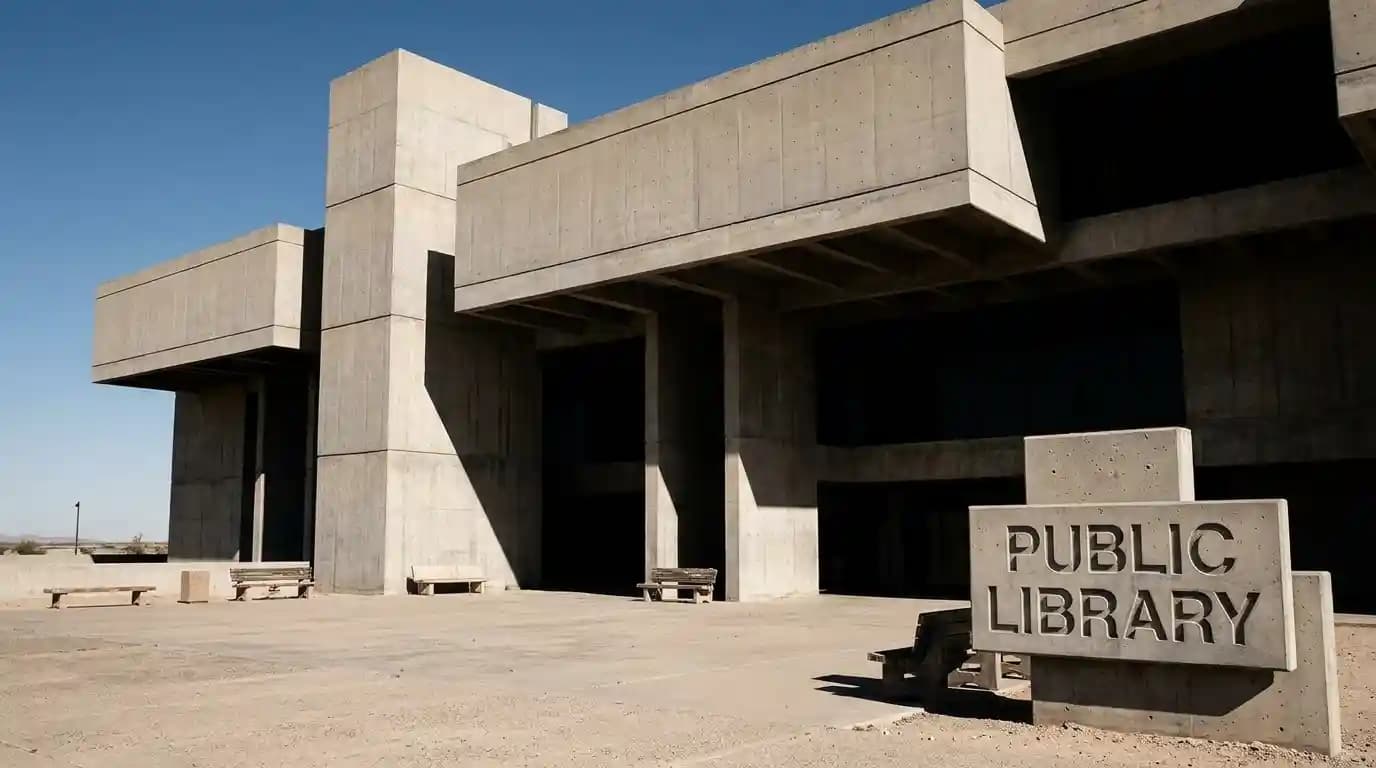
Arkansas Commercial Rent Increase Rules
Learn how commercial rent increases are handled in Arkansas, including the lack of rent control and the importance of lease escalation clauses.

법적 고지
이 콘텐츠는 일반 정보 및 교육 목적으로만 제공됩니다. 법률 자문에 해당하지 않으며 그러한 것으로 의존해서는 안 됩니다. 법률은 자주 변경되므로 항상 현재 규정을 확인하고 귀하의 상황에 맞는 조언을 받으려면 해당 지역의 면허가 있는 변호사와 상담하십시오. Landager는 부동산 관리 플랫폼이며 법률 회사가 아닙니다.정보 최종 확인: April 2026.
Arkansas Commercial Rent Increase Rules
In the state of Arkansas, commercial rent increases are governed entirely by the free market and the specific terms negotiated within the commercial lease agreement. There is no commercial rent control anywhere in the state of Arkansas.
Because courts view commercial leases as contracts between sophisticated business entities, landlords have virtually unlimited flexibility in how they structure, calculate, and implement rent increases, provided those methods are clearly documented in the lease.
The Absence of Rent Control
Arkansas state law fundamentally protects a property owner's right to yield a return on their investment. Local municipalities and cities in Arkansas are generally preempted from enacting any form of rent control on either residential or commercial properties.
Therefore, a commercial landlord in Arkansas can increase the rent by any percentage or dollar amount they choose, as long as:
- The increase does not violate the active term of an existing lease.
- Proper notice is given (if the tenant is on a month-to-month tenancy or the lease is up for renewal).
Structuring Increases in the Commercial Lease
Because there are no state limitations, the mechanism for rent increases must be explicitly defined in the lease through Rent Escalation Clauses. If a multi-year lease does not contain an escalation clause, the landlord generally cannot increase the base rent until the lease term expires.
Common types of commercial rent escalations used in Arkansas include:
1. Fixed (Step-Up) Increases
The lease specifies exact dollar amounts or fixed percentage increases that occur on specific anniversary dates.
- Example: "Base rent shall increase by 3% annually on the anniversary of the Commencement Date."
2. Indexed Increases (CPI)
Rent increases are tied to an external economic indicator, most commonly the Consumer Price Index (CPI). This protects the landlord's income against inflation.
- Example: "Rent shall increase annually by the percentage increase in the CPI-U for the South Region."
3. Percentage Rent (Retail Leases)
Common in shopping centers, the tenant pays a base rent plus a percentage of their gross sales that exceed a predefined breakpoint.
- Example: "$3,000 monthly base rent, plus 5% of all gross annual sales exceeding $500,000."
4. Pass-Through Increases (NNN Leases)
In Triple Net (NNN) leases, while the base rent might remain flat, the tenant's total monthly payment will increase if the underlying costs of property taxes, building insurance, or Common Area Maintenance (CAM) increase.
Notice Periods for Rent Increases
During an Active Term
If a rent escalation is explicitly written into the lease (e.g., a 4% annual bump), the tenant is legally bound to pay the increased amount on the specified date. While a courtesy notice is a best practice in property management, Arkansas law does not strictly require the landlord to send a formal 30-day notice if the increase is already a contractual obligation.
Month-to-Month Tenancies or Renewals
If a commercial lease expires and converts into a holdover or month-to-month tenancy, the landlord can increase the rent. Under general Arkansas property law, changing the terms of a month-to-month tenancy (including raising the rent) typically requires at least one full rental period's written notice (usually 30 days) prior to the next time rent is due.
See our Commercial Eviction Process guide for information on handling tenants who refuse to pay increased rent amounts.

📬 해당 법규 변경 시 알림 받기
임대인-임차인 법규가 업데이트될 때 이메일을 보내드립니다. 스팸 없이 법규 변경 사항만 알려드립니다.